
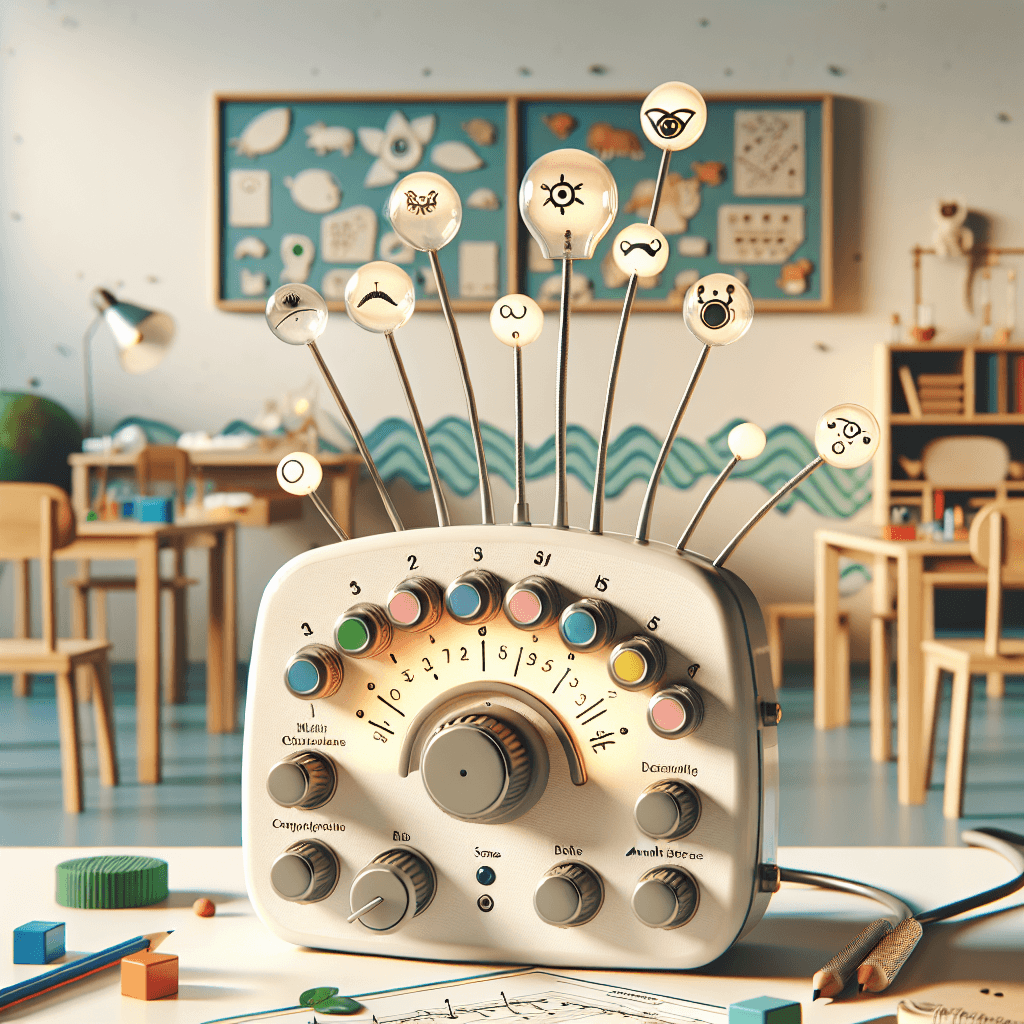
Animal Sense Mimicry: Build and Test a Sensory Device
Inquiry Framework
Question Framework
Driving Question
The overarching question that guides the entire project.How can we design and build a device that mimics an animal sense to help us understand how animals gather information and respond to their environment, and what are the limitations of using technology to replicate these natural processes?Essential Questions
Supporting questions that break down major concepts.- How do different animals use their senses to gather information about the world?
- How can we model an animal sense using technology?
- What are the challenges and limitations of using technology to mimic animal senses?
- How does the nervous system help animals respond to stimuli?
- How do different animals process information from their senses and respond to it?
Standards & Learning Goals
Learning Goals
By the end of this project, students will be able to:- Students will be able to design and build a device that mimics an animal sense.
- Students will be able to explain how animals use their senses to gather information.
- Students will be able to describe the limitations of using technology to replicate natural processes.
- Students will be able to explain how the nervous system helps animals respond to stimuli.
- Students will be able to use a model to describe that animals receive different types of information through their senses, process the information in their brain, and respond to the information in different ways.
- Students will be able to describe how different animals process information from their senses and respond to it.
Next Generation Science Standards
Entry Events
Events that will be used to introduce the project to students'New Sense' Design Challenge
Students watch a short, engaging video showcasing a variety of animal senses and the technologies that have been developed to mimic or study them. The video ends with a challenge: 'Can you design a device that gives humans a new or improved sense?' This encourages students to think creatively about the possibilities.Portfolio Activities
Portfolio Activities
These activities progressively build towards your learning goals, with each submission contributing to the student's final portfolio.Sense Investigator
Students research various animal senses (echolocation, infrared vision, electroreception, etc.) and select one to mimic. They gather information on how the sense works, which animal uses it, and how the animal benefits from it.Steps
Here is some basic scaffolding to help students complete the activity.Final Product
What students will submit as the final product of the activityA detailed research report on the chosen animal sense, including diagrams and explanations of its biological mechanisms.Alignment
How this activity aligns with the learning objectives & standardsAligns with 4.LS1.2 by requiring students to research and understand how different animals use their senses to gather information, which is essential for designing a mimicry device.Blueprint Bonanza
Based on their research, students create a blueprint and a list of materials for their device. They will outline how their device will mimic the chosen animal sense and explain the scientific principles behind its operation.Steps
Here is some basic scaffolding to help students complete the activity.Final Product
What students will submit as the final product of the activityA detailed blueprint of the device with labeled components and a list of required materials.Alignment
How this activity aligns with the learning objectives & standardsAligns with 4.LS1.2 by having students design a model that represents how animals receive, process, and respond to sensory information.Construction Crew
Students build the device according to their blueprint. They document the building process, noting any challenges and modifications made along the way.Steps
Here is some basic scaffolding to help students complete the activity.Final Product
What students will submit as the final product of the activityA functional device that mimics an animal sense, along with a construction log detailing the building process.Alignment
How this activity aligns with the learning objectives & standardsCovers 4.LS1.2 by requiring students to build a physical model that demonstrates how animals receive information through their senses and respond to it.Test Track
Students test their device in different scenarios and record its performance. They analyze the data collected and write a report on the device's effectiveness, including its strengths and limitations.Steps
Here is some basic scaffolding to help students complete the activity.Final Product
What students will submit as the final product of the activityA performance report detailing the testing process, data collected, and analysis of the device's effectiveness.Alignment
How this activity aligns with the learning objectives & standardsAddresses 4.LS1.2 by having students test their device and analyze its effectiveness in mimicking the animal sense, thereby understanding how animals respond to sensory information.Rubric & Reflection
Portfolio Rubric
Grading criteria for assessing the overall project portfolioMimic an Animal Sense Rubric
Research Report
Assesses the quality and depth of the research report on the chosen animal sense.Accuracy of Research
Accuracy of research on the chosen animal sense, including biological mechanisms and benefits to the animal.
Exemplary
4 PointsReport demonstrates a sophisticated understanding of the animal sense, including detailed and accurate explanations of its biological mechanisms and benefits. Diagrams/illustrations are exceptionally clear, accurate, and enhance understanding significantly. Shows leadership in identifying reliable sources and explaining complex concepts.
Proficient
3 PointsReport demonstrates a thorough understanding of the animal sense, including accurate explanations of its biological mechanisms and benefits. Diagrams/illustrations are clear, accurate, and effectively support understanding. Contributes effectively to discussions about source reliability and explanations.
Developing
2 PointsReport shows an emerging understanding of the animal sense, but may contain some inaccuracies or lack detail in explanations of biological mechanisms and benefits. Diagrams/illustrations are present but may have some inaccuracies or lack clarity. Participates in discussions with some prompting.
Beginning
1 PointsReport shows a beginning understanding of the animal sense, with significant inaccuracies or lack of detail in explanations of biological mechanisms and benefits. Diagrams/illustrations are missing or are largely inaccurate and unhelpful. Requires significant support to identify reliable sources and explain concepts.
Clarity and Organization
Clarity and organization of the research report, including logical flow, use of diagrams, and overall presentation.
Exemplary
4 PointsReport is exceptionally clear, logically organized, and professionally presented. Demonstrates innovative use of diagrams and illustrations to enhance understanding. Exhibits advanced organizational skills and attention to detail. Shows leadership in presenting information clearly and concisely.
Proficient
3 PointsReport is clear, logically organized, and well-presented. Diagrams and illustrations are effectively used to support understanding. Demonstrates effective organizational skills and attention to detail. Contributes effectively to clear and concise presentation.
Developing
2 PointsReport is somewhat disorganized and lacks clarity in some areas. Diagrams and illustrations are present but may not always be relevant or helpful. Shows partial organizational skills and attention to detail. Requires some prompting to improve clarity and organization.
Beginning
1 PointsReport is disorganized, unclear, and poorly presented. Diagrams and illustrations are missing or are largely ineffective. Shows limited organizational skills and attention to detail. Requires significant support to improve clarity and organization.
Source Quality
Quality and reliability of sources used, including variety, credibility, and appropriate citation.
Exemplary
4 PointsReport uses a wide variety of highly credible and reliable sources, including primary research articles, expert interviews, and reputable scientific publications. Sources are cited impeccably, demonstrating a sophisticated understanding of academic integrity. Shows leadership in identifying and evaluating source reliability.
Proficient
3 PointsReport uses a variety of credible and reliable sources, including scientific publications and reputable websites. Sources are cited correctly. Demonstrates effective selection of sources and adherence to citation standards. Contributes effectively to discussions about source selection and citation.
Developing
2 PointsReport uses some credible sources, but may also include less reliable sources such as general websites. Citations may be incomplete or inconsistent. Shows partial understanding of source reliability and citation practices. Requires some guidance to improve source selection and citation.
Beginning
1 PointsReport uses primarily unreliable sources such as blogs or general websites. Citations are missing or largely incorrect. Shows limited understanding of source reliability and citation practices. Requires significant support to identify reliable sources and understand citation.
Device Blueprint
Evaluates the design and planning of the device that mimics an animal sense.Design Creativity and Feasibility
Creativity and feasibility of the device design, including originality, practicality, and potential for successful mimicry.
Exemplary
4 PointsBlueprint demonstrates an exceptionally creative and innovative device design that shows a deep understanding of the animal sense and its potential for successful mimicry. Design is highly practical and feasible with available materials and resources. Shows leadership in generating original and feasible design ideas.
Proficient
3 PointsBlueprint demonstrates a creative and well-thought-out device design that shows a good understanding of the animal sense and its potential for successful mimicry. Design is practical and feasible with available materials and resources. Contributes effectively to brainstorming and developing design ideas.
Developing
2 PointsBlueprint demonstrates some creativity in the device design, but may lack originality or practicality. Design may have some feasibility issues or show a limited understanding of the animal sense. Participates in brainstorming but requires prompting to generate creative ideas.
Beginning
1 PointsBlueprint demonstrates a lack of creativity and practicality in the device design. Design is not feasible or shows little understanding of the animal sense. Requires significant support to generate design ideas and understand feasibility.
Blueprint Detail and Accuracy
Detail and accuracy of the blueprint, including labeled components, dimensions, and clear instructions for construction.
Exemplary
4 PointsBlueprint is exceptionally detailed, accurate, and professionally presented. All components are clearly labeled with precise dimensions and specifications. Instructions for construction are comprehensive and easy to follow. Shows leadership in creating clear and accurate technical documentation.
Proficient
3 PointsBlueprint is detailed, accurate, and well-presented. All components are clearly labeled with dimensions and specifications. Instructions for construction are clear and easy to follow. Contributes effectively to creating detailed and accurate technical documentation.
Developing
2 PointsBlueprint is somewhat lacking in detail and accuracy. Some components may be missing labels or dimensions. Instructions for construction may be unclear or incomplete. Shows partial attention to detail and accuracy. Requires some prompting to improve technical documentation.
Beginning
1 PointsBlueprint is missing significant detail and accuracy. Many components are unlabeled or lack dimensions. Instructions for construction are unclear or missing. Shows limited attention to detail and accuracy. Requires significant support to create technical documentation.
Scientific Explanation
Explanation of scientific principles behind the device's operation, demonstrating understanding of relevant scientific concepts.
Exemplary
4 PointsExplanation demonstrates a sophisticated understanding of the scientific principles behind the device's operation, including clear and accurate descriptions of relevant scientific concepts and their application in the device. Demonstrates innovative application of scientific principles. Shows leadership in explaining complex scientific concepts.
Proficient
3 PointsExplanation demonstrates a thorough understanding of the scientific principles behind the device's operation, including clear and accurate descriptions of relevant scientific concepts and their application in the device. Contributes effectively to explaining scientific concepts and their application.
Developing
2 PointsExplanation shows an emerging understanding of the scientific principles behind the device's operation, but may contain some inaccuracies or lack detail in descriptions of relevant scientific concepts. Participates in discussions about scientific concepts with some prompting.
Beginning
1 PointsExplanation shows a beginning understanding of the scientific principles behind the device's operation, with significant inaccuracies or lack of detail in descriptions of relevant scientific concepts. Requires significant support to understand and explain scientific concepts.
Device Construction
Assesses the construction of the device, focusing on functionality, craftsmanship, and safety.Device Functionality and Craftsmanship
Functionality and craftsmanship of the constructed device, including adherence to the blueprint, quality of construction, and overall appearance.
Exemplary
4 PointsDevice is exceptionally functional and demonstrates outstanding craftsmanship. Construction adheres flawlessly to the blueprint, resulting in a high-quality and aesthetically pleasing device. Demonstrates advanced building skills and attention to detail. Shows leadership in troubleshooting and overcoming construction challenges.
Proficient
3 PointsDevice is functional and demonstrates good craftsmanship. Construction adheres closely to the blueprint, resulting in a well-made and visually appealing device. Demonstrates effective building skills and attention to detail. Contributes effectively to troubleshooting and problem-solving during construction.
Developing
2 PointsDevice is partially functional and demonstrates adequate craftsmanship. Construction may deviate from the blueprint in some areas, and the device may have some cosmetic flaws. Shows partial building skills and attention to detail. Requires some guidance to troubleshoot and solve construction problems.
Beginning
1 PointsDevice is non-functional or demonstrates poor craftsmanship. Construction deviates significantly from the blueprint, and the device is poorly made and visually unappealing. Shows limited building skills and attention to detail. Requires significant support to complete the construction process.
Building Process Documentation
Documentation of the building process, including photos/videos, challenges encountered, and modifications made.
Exemplary
4 PointsDocumentation is exceptionally thorough and detailed, providing a comprehensive record of the building process. Photos/videos are high-quality and clearly illustrate each step. Challenges encountered are meticulously documented, along with detailed explanations of the modifications made and the rationale behind them. Shows leadership in documenting and reflecting on the construction process.
Proficient
3 PointsDocumentation is thorough and detailed, providing a clear record of the building process. Photos/videos are of good quality and illustrate the key steps. Challenges encountered are documented, along with explanations of the modifications made. Contributes effectively to documenting and reflecting on the construction process.
Developing
2 PointsDocumentation is somewhat incomplete and lacking in detail. Photos/videos may be of poor quality or missing key steps. Challenges encountered are mentioned but may lack detailed explanations of the modifications made. Shows partial effort in documenting and reflecting on the construction process. Requires some prompting to improve documentation.
Beginning
1 PointsDocumentation is minimal and lacking in detail. Photos/videos are missing or of very poor quality. Challenges encountered are not documented, and no modifications are mentioned. Shows limited effort in documenting and reflecting on the construction process. Requires significant support to document the construction process.
Safety Practices
Adherence to safety protocols during construction, ensuring a safe and responsible building environment.
Exemplary
4 PointsDemonstrates impeccable adherence to safety protocols at all times, ensuring a completely safe and responsible building environment. Proactively identifies potential hazards and implements preventative measures. Shows leadership in promoting and enforcing safety practices.
Proficient
3 PointsDemonstrates consistent adherence to safety protocols, ensuring a safe and responsible building environment. Follows all safety guidelines and uses appropriate safety equipment. Contributes effectively to maintaining a safe working environment.
Developing
2 PointsDemonstrates some awareness of safety protocols, but may occasionally overlook or neglect certain safety guidelines. Requires occasional reminders to follow safety procedures. Shows partial attention to safety and responsibility. Requires some prompting to ensure a safe building environment.
Beginning
1 PointsDemonstrates limited awareness of safety protocols and frequently disregards safety guidelines. Creates an unsafe and irresponsible building environment. Requires constant supervision to ensure safety. Shows limited attention to safety and responsibility. Requires significant support to understand and follow safety protocols.
Device Testing
Evaluates the testing and analysis of the device's performance, focusing on data collection, interpretation, and critical thinking.Testing Protocol Design
Clarity and completeness of the testing protocol, including defined variables, controlled conditions, and measurable outcomes.
Exemplary
4 PointsTesting protocol is exceptionally clear, complete, and well-designed. Variables are clearly defined, conditions are carefully controlled, and outcomes are precisely measurable. Demonstrates innovative approaches to testing and data collection. Shows leadership in designing rigorous and effective testing protocols.
Proficient
3 PointsTesting protocol is clear, complete, and well-designed. Variables are defined, conditions are controlled, and outcomes are measurable. Contributes effectively to designing and implementing testing protocols.
Developing
2 PointsTesting protocol is somewhat incomplete or unclear. Variables may be poorly defined, conditions may not be adequately controlled, or outcomes may be difficult to measure. Participates in the design of testing protocols but requires prompting to improve clarity and completeness.
Beginning
1 PointsTesting protocol is missing significant components or is poorly designed. Variables are undefined, conditions are uncontrolled, and outcomes are not measurable. Requires significant support to design and implement a testing protocol.
Data Collection and Analysis
Accuracy and organization of data collection, including appropriate recording methods, data presentation, and statistical analysis.
Exemplary
4 PointsData collection is exceptionally accurate, organized, and comprehensive. Recording methods are highly appropriate, data is presented clearly and effectively, and statistical analysis is sophisticated and insightful. Demonstrates advanced data analysis skills and innovative approaches to data interpretation. Shows leadership in collecting, analyzing, and presenting data.
Proficient
3 PointsData collection is accurate, organized, and comprehensive. Recording methods are appropriate, data is presented clearly, and statistical analysis is thorough. Demonstrates effective data analysis skills and interpretation. Contributes effectively to collecting, analyzing, and presenting data.
Developing
2 PointsData collection is somewhat incomplete or disorganized. Recording methods may be inappropriate, data presentation may be unclear, and statistical analysis may be limited or inaccurate. Participates in data collection and analysis but requires prompting to improve accuracy and organization.
Beginning
1 PointsData collection is inaccurate, disorganized, and incomplete. Recording methods are inappropriate, data presentation is unclear, and statistical analysis is missing or incorrect. Requires significant support to collect, analyze, and present data.
Results Interpretation
Interpretation of results and discussion of the device's strengths and limitations, demonstrating critical thinking and scientific reasoning.
Exemplary
4 PointsInterpretation of results is insightful, nuanced, and demonstrates exceptional critical thinking and scientific reasoning. Discussion of the device's strengths and limitations is thorough, balanced, and insightful. Provides innovative solutions to address the limitations identified. Shows leadership in interpreting scientific data and drawing meaningful conclusions.
Proficient
3 PointsInterpretation of results is accurate and demonstrates good critical thinking and scientific reasoning. Discussion of the device's strengths and limitations is thorough and balanced. Contributes effectively to interpreting scientific data and drawing conclusions.
Developing
2 PointsInterpretation of results is somewhat superficial or lacking in critical thinking. Discussion of the device's strengths and limitations may be incomplete or biased. Participates in data interpretation but requires prompting to improve critical thinking and scientific reasoning.
Beginning
1 PointsInterpretation of results is inaccurate or demonstrates a lack of critical thinking. Discussion of the device's strengths and limitations is missing or poorly developed. Requires significant support to interpret scientific data and draw conclusions.