
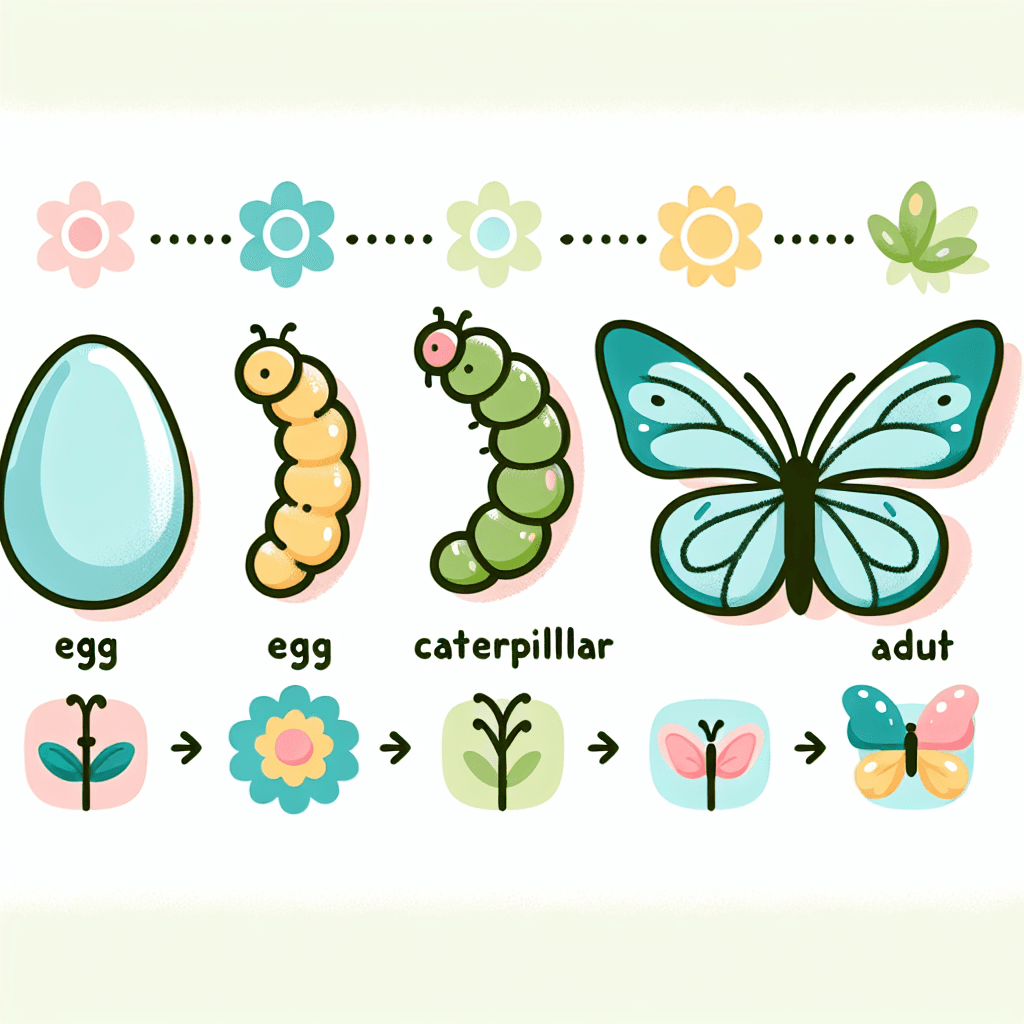
Asian endangered animal Life Cycle Documentary: A 3rd Grade Project
Inquiry Framework
Question Framework
Driving Question
The overarching question that guides the entire project.How can we create a documentary that showcases the complete life cycle of an endangered Asian animal, explaining its growth, structures, and changes, while integrating scientific facts, non-chronological report features, artistic visuals, and technology?Essential Questions
Supporting questions that break down major concepts.- What are the stages of the life cycle of the endangered Asian animal?
- How do living things grow and change?
- What structures does the endangered Asian animal need to grow and function?
- What are the features of a non-chronological report?
- How can we use technology to create a documentary?
- How can art enhance our understanding and presentation of the endangered Asian animal's life cycle?
Standards & Learning Goals
Learning Goals
By the end of this project, students will be able to:- Understand the life cycle of endangered animals in Asia.
- Explain how living things grow and change.
- Identify the structures that endangered animals in Asia need to grow and function.
- Learn the features of a non-chronological report.
- Use technology to create a documentary.
- Use art to enhance understanding and presentation of the life cycle of endangered animals in Asia.
Science
English
Entry Events
Events that will be used to introduce the project to studentsA Baby's-Eye View: VR Animal Adventure
Students engage in a virtual reality experience that simulates life as a baby version of an endangered animal in Asia. As they 'live' through the animal's early life stages, they document their observations and emotions, which they then use to create a compelling and immersive documentary. This approach harnesses technology and firsthand experience.Portfolio Activities
Portfolio Activities
These activities progressively build towards your learning goals, with each submission contributing to the student's final portfolio.Endangered Animal Life Cycle Timeline
Students create a visual timeline of the endangered animal's life cycle, labeling each stage (egg/birth, infancy, adolescence, adulthood) and describing the key changes happening at each stage.Steps
Here is some basic scaffolding to help students complete the activity.Final Product
What students will submit as the final product of the activityA detailed, illustrated timeline of the endangered animal's life cycle.Alignment
How this activity aligns with the learning objectives & standardsAligns with Science Standard 3-LS1-1 (Living things grow, change, and have offspring similar to themselves) by focusing on the animal's stages.Endangered Animal Structure Explorers
Students investigate the structures that endangered animals in Asia use for survival and growth in each stage of their life cycle (e.g., trunk of an elephant, webbed feet of a gharial). They create labeled diagrams highlighting these structures and explaining their functions.Steps
Here is some basic scaffolding to help students complete the activity.Final Product
What students will submit as the final product of the activityLabeled diagrams of endangered animal structures at different life stages, explaining their functions.Alignment
How this activity aligns with the learning objectives & standardsAligns with Science Standard 3-LS1-1 (Living things require structure for growth and function) by exploring the physical adaptations of each stage.Endangered Animal Stage Reporter
Students write a non-chronological report about one stage of an endangered animal's life cycle in Asia. They will focus on descriptive language, headings, subheadings, captions, and diagrams.Steps
Here is some basic scaffolding to help students complete the activity.Final Product
What students will submit as the final product of the activityA non-chronological report about a specific stage of the life cycle of an endangered animal in Asia.Alignment
How this activity aligns with the learning objectives & standardsAligns with English Standard 3-W-2 (Report features in a non-chronological report) by practicing informative writing with specific features.Documentary Feature Detectives
Students watch short excerpts from nature documentaries about endangered animals in Asia. They analyze the segments, identifying the non-fiction text features used (e.g., close-up shots, narration, diagrams, text overlays) and discussing how these features enhance understanding.Steps
Here is some basic scaffolding to help students complete the activity.Final Product
What students will submit as the final product of the activityA list of non-fiction text features observed in endangered animal documentaries, with explanations of how each feature contributes to understanding.Alignment
How this activity aligns with the learning objectives & standardsAligns with English Standard 3-RI-5 (Non-fiction texts (features)) by analyzing existing documentaries and identifying key features.Documentary Storyboard Artists
Students create a storyboard for their section of the endangered animal's life cycle documentary. They plan the visuals (live-action footage, animations, images), narration script, on-screen text, and sound effects. This activity combines their scientific understanding, writing skills, artistic vision, and technological planning.Steps
Here is some basic scaffolding to help students complete the activity.Final Product
What students will submit as the final product of the activityA detailed storyboard outlining the visual and audio elements of their documentary segment.Alignment
How this activity aligns with the learning objectives & standardsIntegrates Science, English, Art, and Technology standards.Rubric & Reflection
Portfolio Rubric
Grading criteria for assessing the overall project portfolioAsian Endangered Animal Life Cycle Documentary Rubric
Content Knowledge and Application
Assesses the student's understanding of the endangered animal life cycle, application of non-chronological report writing techniques, and creative planning of the documentary storyboard.Scientific Accuracy
Accuracy and depth of understanding of the endangered animal life cycle stages.
Exemplary
4 PointsDemonstrates a sophisticated and comprehensive understanding of all endangered animal life cycle stages, including detailed and accurate information.
Proficient
3 PointsDemonstrates a thorough understanding of all endangered animal life cycle stages, with accurate and relevant information.
Developing
2 PointsShows an emerging understanding of the endangered animal life cycle stages, but some information may be incomplete or contain minor inaccuracies.
Beginning
1 PointsShows an initial understanding of the endangered animal life cycle stages, but struggles with accurate information and complete stages.
Non-Chronological Report Features
Effective use of non-chronological report features in the documentary segment.
Exemplary
4 PointsExpertly integrates non-chronological report features (headings, subheadings, captions, diagrams) to enhance clarity and engagement.
Proficient
3 PointsSuccessfully incorporates non-chronological report features to present information clearly and effectively.
Developing
2 PointsAttempts to use non-chronological report features, but some elements are missing or not effectively integrated.
Beginning
1 PointsShows limited understanding or use of non-chronological report features.
Creative Storyboarding
Creativity and effectiveness in planning visual and audio elements to enhance the documentary.
Exemplary
4 PointsDemonstrates exceptional creativity and innovation in the use of visuals, narration, and sound to create a compelling documentary storyboard.
Proficient
3 PointsDemonstrates effective planning of visuals, narration, and sound to clearly communicate information in the storyboard.
Developing
2 PointsShows some planning of visuals, narration, and sound, but the elements are not fully integrated or effective.
Beginning
1 PointsShows minimal planning of visuals, narration, and sound with limited consideration of their impact on the documentary.
Storyboard Organization
Clarity and organization of the storyboard, demonstrating a logical flow of information.
Exemplary
4 PointsThe storyboard is exceptionally clear, well-organized, and flows logically, enhancing the overall understanding of the endangered animal life cycle.
Proficient
3 PointsThe storyboard is clear, well-organized, and presents a logical flow of information.
Developing
2 PointsThe storyboard is somewhat organized, but clarity and logical flow could be improved.
Beginning
1 PointsThe storyboard lacks organization, clarity, and a logical flow of information.