
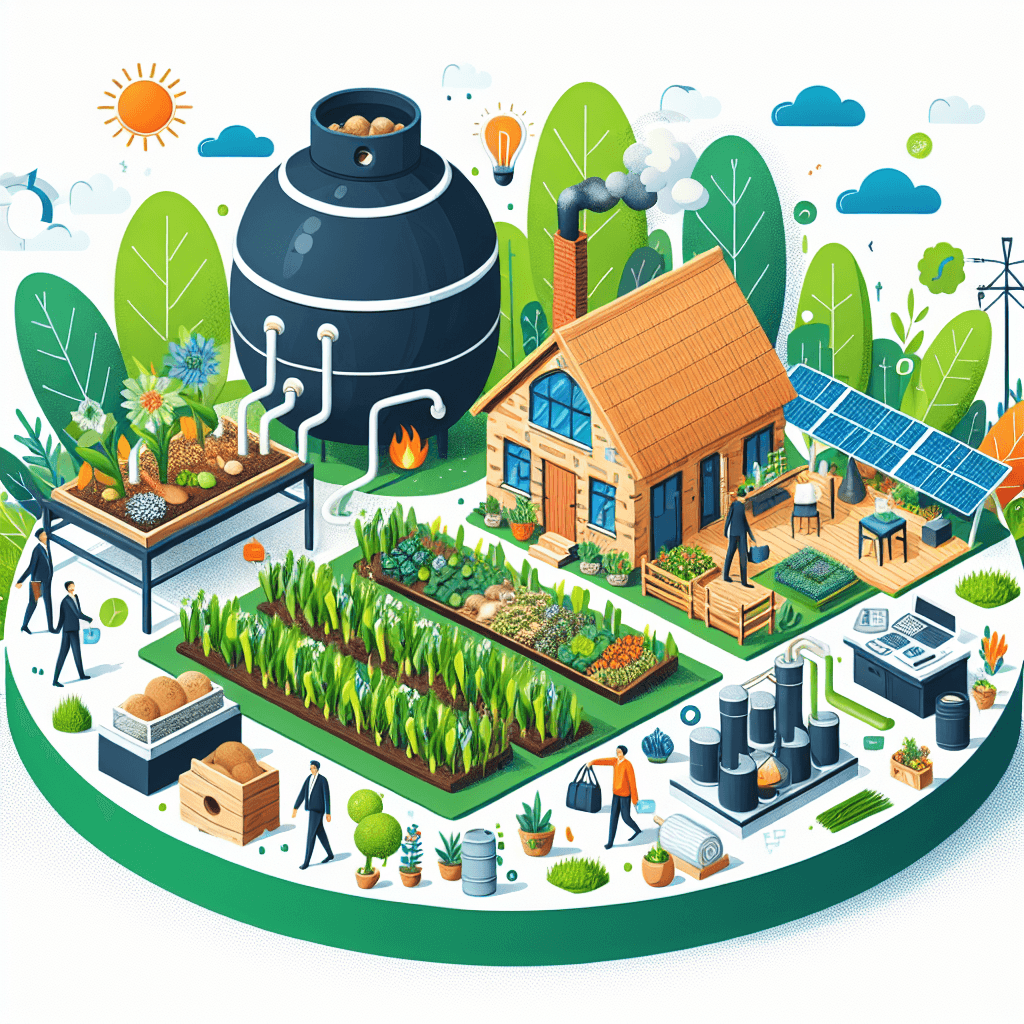
Inquiry Framework
Question Framework
Driving Question
The overarching question that guides the entire project.Hogyan tervezhetünk meg egy olyan fenntartható falusi turisztikai vállalkozást, amely tudományosan hitelesített biotermékekre és etikus piaci jelenlétre alapozva válik egy kistelepülés meghatározó gazdasági motorjává a 21. században?Essential Questions
Supporting questions that break down major concepts.- Milyen gazdasági és környezeti tényezők tesznek sikeressé egy falusi turisztikai vállalkozást a 21. században?
- Hogyan tudjuk hitelesen képviselni a biotermékek értékét a fogyasztók számára a tudomány és a marketing szemszögéből?
- Milyen módon tud egy mikrovállalkozás aktívan és etikusan részt venni egy kistelepülés gazdasági körforgásában?
- Hogyan kapcsolható össze a mezőgazdasági termelés a vendéglátással és a turisztikai élménnyel?
- Milyen pénzügyi és fenntarthatósági terv biztosítja egy ilyen komplex vállalkozás hosszú távú működését?
Standards & Learning Goals
Learning Goals
By the end of this project, students will be able to:- A tanulók képesek lesznek egy komplex, fenntartható üzleti tervet készíteni egy falusi turisztikai vállalkozáshoz, amely tartalmazza a pénzügyi tervezést és a piaci elemzést.
- A tanulók képessé válnak a biotermékek tudományos kritériumainak és minősítési rendszereinek elemzésére, valamint ezek értékének hatékony kommunikálására a marketingtevékenység során.
- A tanulók elemzik és értékelik egy mikrovállalkozás helyi gazdaságra gyakorolt hatását, különös tekintettel a kistelepülések megtartó erejére és az etikus üzleti magatartásra.
- A tanulók képesek lesznek integrálni a mezőgazdasági (biotermelés) és szolgáltatási (vendéglátás) folyamatokat egy egységes, fenntartható működési modellbe.
- A tanulók fejlesztik prezentációs és érvelési készségeiket a projekt megvédése során, alátámasztva a gazdasági döntéseik racionalitását és környezeti felelősségét.
Magyar Nemzeti Alaptanterv (Gazdasági és pénzügyi nevelés)
Magyar Nemzeti Alaptanterv (Fenntarthatóság)
Next Generation Science Standards (NGSS)
C3 Framework for Social Studies State Standards
Common Core State Standards (ELA/Literacy in Science and Technical Subjects)
Entry Events
Events that will be used to introduce the project to studentsA Dopamin-Detox Kihívás: Profit az Offline Létből
Egy rejtélyes, kiégett Szilícium-völgyi technológiai befektető hirdetést tesz közzé: 'Aki feltalálta az algoritmust, az most menekül előle.' A befektető 20 millió forintos kezdőtőkét kínál annak a diákcsapatnak, amely képes megtervezni a végső 'Dopamin-Detox' biogazdaságot. A kihívás lényege: olyan falusi turisztikai élményt kell alkotni, ahol a vendégek (köztük a diákok saját generációja) önként adják le a telefonjukat a kapuban. A diákoknak be kell bizonyítaniuk, hogy a biotermelés folyamatai, a fizikai munka és a 'Guest Table' gasztroélmény képes intenzívebb és fenntarthatóbb ingereket adni, mint a végtelen görgetés. A projekt végén nemcsak üzleti tervet, hanem egy 'offline túlélőkészletet' is be kell mutatniuk.Zéró Térerő: A 'Csendzóna' Üzleti Modellje
Egy fiktív hír terjed el az iskolában: a kormány 'Digitális Csendzónává' nyilvánít egy elnéptelenedő falut, ahol törvényileg tilos a 4G/5G és a Wi-Fi használata. A falu polgármestere kétségbeesetten keres olyan fiatal vállalkozókat, akik 'digitális bennszülöttként' pontosan értik, mi hiányzik a képernyőfüggőknek. A feladat: a falu meglévő biogazdaságait és vendégasztalait olyan exkluzív öko-szentéllyé alakítani, ahol az 'unalom' (a telefonmentesség) a legdrágább luxustermék. A diákoknak tudományos érvekkel (biológiai hatások, fenntarthatóság) és kőkemény üzleti számításokkal kell igazolniuk, hogyan mentheti meg a bio-turizmus a falut a teljes elnéptelenedéstől egy technológia-fáradt világban.Portfolio Activities
Portfolio Activities
These activities progressively build towards your learning goals, with each submission contributing to the student's final portfolio.Öko-Leltár: A Csend Zóna Kijelölése (Eco-Inventory: Defining the Silent Zone)
In this opening activity, students identify a potential rural location for their 'Dopamine-Detox' farm. They must conduct a site analysis to determine how the natural environment can support a business that offers 'offline luxury' while maintaining ecological balance.Steps
Here is some basic scaffolding to help students complete the activity.Final Product
What students will submit as the final product of the activityA 'Site Suitability Report' including a SWOT analysis and a conceptual map of the farm zones (production vs. guest areas).Alignment
How this activity aligns with the learning objectives & standardsAligns with HU-NAT-2020-FENN-12-2 (Sustainability principles) and NGSS-HS-LS2-7 (Evaluating solutions for human impact). It focuses on the environmental assessment of the chosen rural location.A Bio-Labor: Tudomány a Termőföldön (The Bio-Lab: Science on the Soil)
Students dive into the science of organic farming. They must choose three specific bio-products (e.g., lavender, heritage tomatoes, goat cheese) that will be the 'stars' of their guest table and retail shop, ensuring they meet official bio-certification criteria.Steps
Here is some basic scaffolding to help students complete the activity.Final Product
What students will submit as the final product of the activityA 'Bio-Production Technical Manual' detailing the growth cycle, certification requirements, and the scientific benefits of the chosen products.Alignment
How this activity aligns with the learning objectives & standardsAligns with HU-NAT-2020-FENN-12-2 (Bio-production significance) and the science-related project goals. It bridges the gap between agricultural science and commercial viability.A Falu Szíve: Etikus Gazdasági Körforgás (The Heart of the Village: Ethical Economic Circulation)
A business doesn't exist in a vacuum. Students must plan how their farm will integrate into the village's economy. This involves identifying local partners (craftsmen, other farmers) and ensuring ethical labor and trade practices.Steps
Here is some basic scaffolding to help students complete the activity.Final Product
What students will submit as the final product of the activityAn 'Ethical Ecosystem Map' and a 'Community Partnership Agreement' draft.Alignment
How this activity aligns with the learning objectives & standardsAligns with C3-D2.Eco.3.9-12 (Ethics, incentives, and profits) and the goal of analyzing a micro-enterprise's impact on local economy.A Nagy Terv: A Jövő Biogazdasága (The Grand Design: The Bio-Farm of the Future)
In the final stage, students compile their research, scientific data, and marketing strategies into a professional business plan. They must calculate the 20 million HUF investment's use and project long-term sustainability.Steps
Here is some basic scaffolding to help students complete the activity.Final Product
What students will submit as the final product of the activityA comprehensive 'Sustainable Rural Tourism Business Plan' and a 5-minute 'Shark Tank' style pitch.Alignment
How this activity aligns with the learning objectives & standardsAligns with HU-NAT-2020-GAZD-12-1 (Business plan parts, start-up conditions). This is the synthesis of all previous work into a formal document.Rubric & Reflection
Portfolio Rubric
Grading criteria for assessing the overall project portfolioSustainable Bio-Tourism & Rural Business Master Rubric
Eco-Inventory and Environmental Context
Focuses on the geographic, environmental, and ecological foundations of the rural tourism project.Environmental Site Assessment & SWOT
Evaluates the depth of research and analysis regarding the chosen location's ability to support a sustainable bio-farm and 'digital detox' experience.
Exemplary
4 PointsSite analysis is exceptionally thorough; SWOT analysis identifies nuanced, high-level factors (e.g., micro-climates, specific soil pH, or complex 5G interference patterns). Map is professionally drafted with sophisticated zoning for guests and production.
Proficient
3 PointsSite analysis is clear and accurate; SWOT analysis covers all essential economic and environmental factors. Conceptual map clearly identifies different functional zones (production, guest, 'silent' zones).
Developing
2 PointsSite analysis is basic; SWOT analysis is completed but lacks depth or misses key local environmental factors. Map is present but lacks detail in zoning or logical flow.
Beginning
1 PointsSite analysis is incomplete or inaccurate; SWOT analysis is missing major components. Map is confusing or lacks a clear relationship to the 'digital detox' concept.
Sustainability Integration (NGSS-HS-LS2-7)
Assesses the ability to design solutions that minimize human impact while maximizing ecological sustainability.
Exemplary
4 PointsProposed solutions go beyond mitigation, showing restorative environmental practices. Evidence of deep understanding of ecological balance and innovative resource management.
Proficient
3 PointsProposed solutions effectively reduce environmental impact and align with sustainability principles. Demonstrates clear understanding of the 'digital detox' ecological footprint.
Developing
2 PointsProposed solutions are generic or partially address environmental impacts. Sustainability measures are mentioned but not fully integrated into the site design.
Beginning
1 PointsSolutions are missing or fail to address the impact of the business on the local environment. Little to no evidence of sustainability planning.
The Bio-Lab: Science & Production
Assesses the scientific rigor and technical planning of the bio-farming component.Scientific Bio-Product Integrity
Evaluates the student's understanding of official bio-certification (Biokontroll Hungária) and the scientific basis for organic quality.
Exemplary
4 PointsDemonstrates expert-level knowledge of certification; 'Scientific Value Sheets' include detailed biochemical comparisons (nutrients, pesticides) and sophisticated soil health cycles. Technical manual is industry-standard quality.
Proficient
3 PointsAccurately identifies official certification requirements; 'Scientific Value Sheets' provide clear, evidence-based reasons for organic superiority. Technical manual is organized and scientifically sound.
Developing
2 PointsIdentifies basic certification steps; 'Scientific Value Sheets' are present but rely on generalities rather than specific data. Technical manual is missing key growth cycle details.
Beginning
1 PointsCertification knowledge is incorrect or missing; little to no scientific justification for chosen products. Technical manual is incomplete.
Operational Agrotourism Design
Assesses the integration of agricultural cycles into the business's guest services.
Exemplary
4 PointsProduction cycles are perfectly synchronized with seasonal tourism peaks; includes innovative 'Guest Table' experiences that bridge production and consumption seamlessly.
Proficient
3 PointsProduction cycles are logically planned to support the 'Guest Table' and retail sales. The connection between the farm and the restaurant/hotel is clear.
Developing
2 PointsProduction cycles are outlined but lack practical timing for a tourism setting. Basic connection between farm and table.
Beginning
1 PointsProduction cycles are unrealistic or absent. No clear plan for how guests interact with the bio-products.
Socio-Economic Impact and Ethics
Evaluates how the business functions as a 'social motor' within a rural village context.Ethical Community Integration (C3-D2.Eco.3.9-12)
Evaluates the ethical standards and the planned economic impact on the local village community.
Exemplary
4 PointsEthical Charter is sophisticated, addressing fair trade, labor rights, and community governance. Ecosystem map shows complex, mutually beneficial relationships with 5+ local partners. Multiplier effect is calculated with precision.
Proficient
3 PointsEthical Charter clearly outlines fair practices; Ecosystem map identifies at least 3 viable local partnerships. Multiplier effect is explained logically with concrete examples.
Developing
2 PointsEthical Charter is brief or generic. Ecosystem map shows minimal interaction with local partners. Multiplier effect is mentioned but not well-explained.
Beginning
1 PointsLacks an ethical framework. No evidence of community integration or understanding of the local economic impact.
Grand Design: Synthesis and Presentation
Assesses the final synthesis of all research into a viable commercial and social enterprise model.Business Planning & Financial Literacy (HU-NAT-2020-GAZD-12-1)
Evaluates the structural integrity and financial realism of the business plan, including the 20 million HUF investment.
Exemplary
4 PointsBusiness plan is professional and comprehensive. Financial plan includes detailed ROI, break-even analysis, and innovative 'Social Profit' metrics. Allocation of 20M HUF is highly strategic and justified.
Proficient
3 PointsBusiness plan includes all required sections (Executive Summary, Market Analysis, Operations, Financials). 12-month budget for 20M HUF is realistic and logical. Success metrics are clear.
Developing
2 PointsBusiness plan is missing one or more sections. Financial plan is basic or contains minor calculation errors. Allocation of the 20M HUF lacks specific detail.
Beginning
1 PointsBusiness plan is disorganized and incomplete. Financials are unrealistic or missing. No clear strategy for the investment.
Pitch Delivery & Professional Writing (CCSS.ELA-WHST.11-12.1)
Evaluates the quality of the 'Shark Tank' style pitch and the ability to persuade an investor.
Exemplary
4 PointsPitch is exceptionally persuasive, uses high-quality visuals, and handles investor questions with poise and data-driven confidence. Writing is professional and highly engaging.
Proficient
3 PointsPitch is well-structured and clearly communicates the value proposition. Visuals support the message. Writing is clear, organized, and professional.
Developing
2 PointsPitch is delivered but lacks a strong 'hook' or persuasive edge. Visuals are basic. Writing contains some errors in tone or clarity.
Beginning
1 PointsPitch is disorganized or fails to present a clear business idea. Visuals are distracting or absent. Writing is unprofessional or incomplete.