
Heart Circulation Sub Plan for Health Class
Inquiry Framework
Question Framework
Driving Question
The overarching question that guides the entire project.How can we create an engaging one-day lesson plan about the heart's circulation that enhances students' understanding of cardiovascular anatomy and its impact on health?Essential Questions
Supporting questions that break down major concepts.- What are the primary functions of the cardiovascular system?
- How does blood circulate through the heart and the rest of the body?
- What are the components of the heart and how do they work together?
- How does the structure of the heart contribute to its function?
- What is the significance of heart health on overall well-being?
Standards & Learning Goals
Learning Goals
By the end of this project, students will be able to:- Understand the structure and function of the human heart and its role in the circulatory system.
- Describe the process of blood circulation through the heart and the rest of the body.
- Analyze the relationship between cardiovascular health and overall well-being.
- Develop collaborative skills through group assignments focused on heart anatomy and physiology.
- Apply knowledge of heart circulation to real-life health scenarios.
Health Science Standards
NGSS
Entry Events
Events that will be used to introduce the project to studentsStudent Health Journalist
Acts like a student journalist tasked with uncovering a 'breaking news' story about the impact of heart health on student life. This scenario invites them to investigate lifestyle choices, interview peers, and compile real-life data, fostering authentic connections to their everyday experiences.Portfolio Activities
Portfolio Activities
These activities progressively build towards your learning goals, with each submission contributing to the student's final portfolio.The Heartbeat Mission
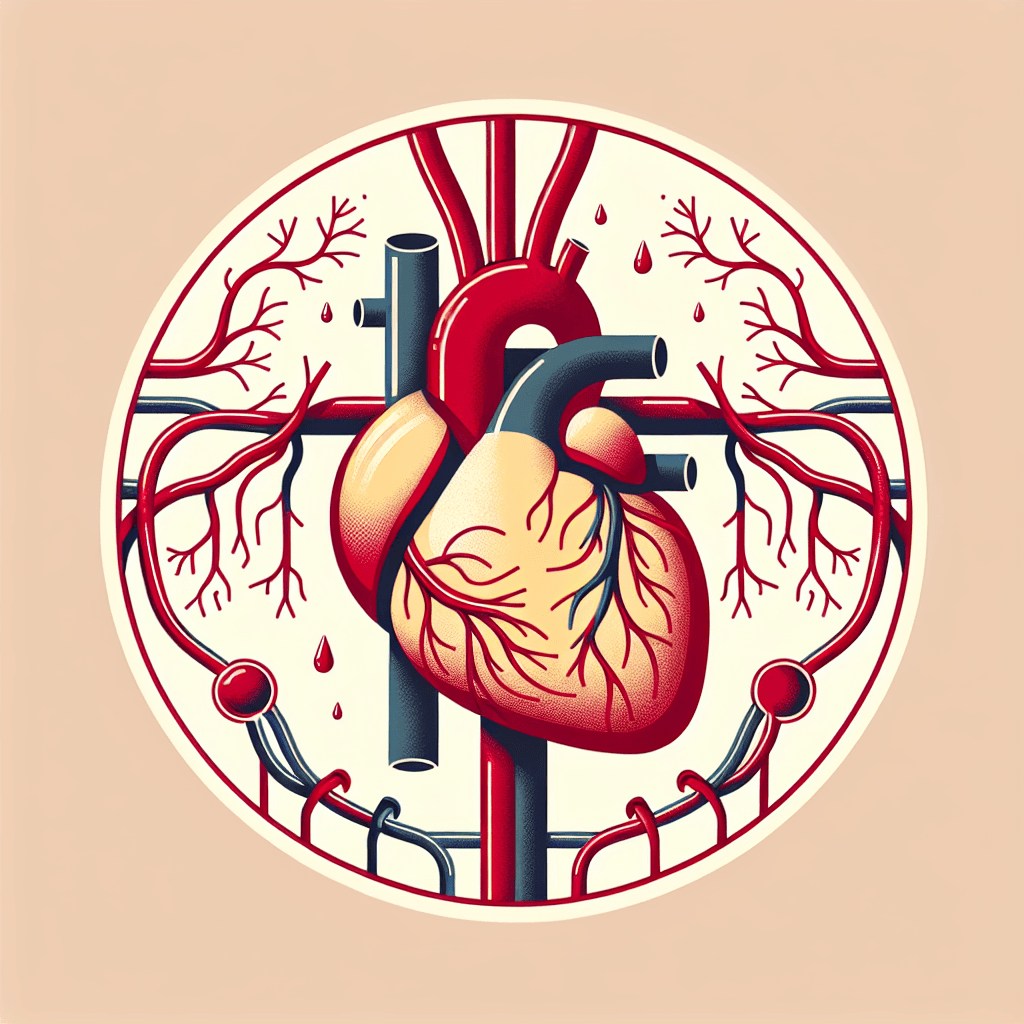
Students will embark on a mission to understand the fundamentals of heart anatomy through creative storytelling. They'll collaboratively explore the structure and function of the heart using a diagram to serve as their adventurer's map.Steps
Here is some basic scaffolding to help students complete the activity.Final Product
What students will submit as the final product of the activityAnnotated heart diagram highlighting the blood's journey through the heart.Alignment
How this activity aligns with the learning objectives & standardsAligns with HS3.A and HS-LS1-2 by fostering an understanding of the anatomical structure of the heart and its function in detail.Heart Health Investigators
In this group activity, students will become investigators tasked with examining how various heart components contribute to cardiovascular health. They will analyze scenarios of heart function and potential disorders.Steps
Here is some basic scaffolding to help students complete the activity.Final Product
What students will submit as the final product of the activityGroup presentations explaining the effects of specific disorders on heart circulation.Alignment
How this activity aligns with the learning objectives & standardsAligns with HS3.A and HS-LS1-3 through the application of anatomical knowledge to real-world scenarios regarding health and disease comprehension.Cardiovascular Connection Review
Students will work individually to tackle a set of review questions intended to reinforce key concepts of heart function, ensuring preparedness and comprehension.Steps
Here is some basic scaffolding to help students complete the activity.Final Product
What students will submit as the final product of the activityCompleted review worksheet with correct answers provided as a reference key.Alignment
How this activity aligns with the learning objectives & standardsSupports standard HS3.A by ensuring students can recall and articulate the cardiovascular system's structure and function.Rubric & Reflection
Portfolio Rubric
Grading criteria for assessing the overall project portfolioHeart Circulation and Health Rubric
Understanding of Heart Anatomy
This category evaluates the understanding of the structure and function of the human heart as part of the cardiovascular system.Anatomical Identification
Ability to correctly identify and label parts of the heart, such as ventricles, atria, and valves, using a diagram.
Exemplary
4 PointsAll major and minor parts of the heart are accurately labeled with advanced detail beyond the basic requirements.
Proficient
3 PointsMajor parts of the heart are correctly labeled with minor inaccuracies in less significant details.
Developing
2 PointsSome major parts are labeled correctly, but there are significant inaccuracies or omissions.
Beginning
1 PointsMajor parts are incorrectly labeled, showing a fundamental misunderstanding of heart anatomy.
Function Explanation
Ability to explain how parts of the heart function together to achieve blood circulation.
Exemplary
4 PointsProvides a sophisticated explanation of interrelated heart functions and blood circulation, using detailed examples.
Proficient
3 PointsExplains the basic functions of heart components and demonstrates a good understanding of blood circulation.
Developing
2 PointsExplains some functions of the heart with noticeable gaps in understanding of circulation.
Beginning
1 PointsFails to adequately explain how the heart functions, showing minimal knowledge of blood circulation.
Application to Health Scenarios
This category assesses the ability to apply anatomical knowledge to real-world heart health issues.Scenario Analysis
Capability to analyze how cardiovascular issues such as high blood pressure affect heart function.
Exemplary
4 PointsThoroughly analyzes scenarios with nuanced understanding and provides innovative health improvement solutions.
Proficient
3 PointsEffectively analyzes common scenarios and suggests practical health improvements.
Developing
2 PointsAnalyzes scenarios at a basic level with limited insight into health improvements.
Beginning
1 PointsStruggles to analyze scenarios, showing a lack of comprehension in health effects.
Collaborative Skills
This category evaluates the effectiveness and contribution of students within group activities.Participation and Contribution
Degree of active participation and valuable contribution to group tasks.
Exemplary
4 PointsActively leads group activities with constructive ideas and encourages peer participation.
Proficient
3 PointsParticipates actively and contributes valuable ideas consistently.
Developing
2 PointsParticipates intermittently with occasional useful contributions.
Beginning
1 PointsRarely participates and contributes minimally, requiring consistent prompting.
Knowledge Recall and Comprehension
Evaluates the students' ability to recall and demonstrate comprehension of learned content through individual assessment.Comprehension of Key Concepts
Ability to accurately respond to review questions concerning the cardiovascular system.
Exemplary
4 PointsAccurately answers all review questions with thorough explanations and justifications.
Proficient
3 PointsAnswers most review questions correctly with adequate explanations.
Developing
2 PointsAnswers some questions correctly, lacking depth in explanations.
Beginning
1 PointsAnswers few questions correctly, with unclear explanations.