
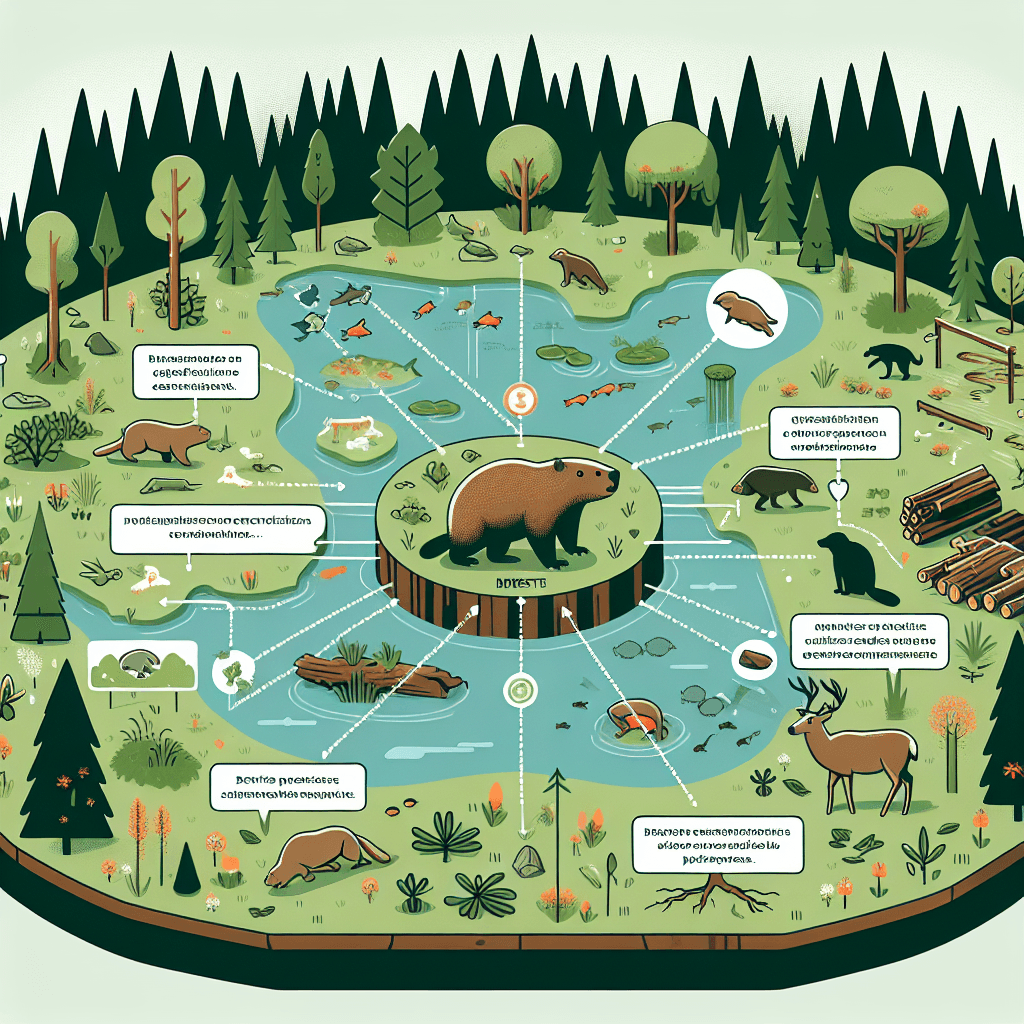
Keystone Species Impact Poster Project
Inquiry Framework
Question Framework
Driving Question
The overarching question that guides the entire project.How does the presence or absence of a keystone species influence the overall health and biodiversity of an ecosystem, and why is it crucial to conserve these species?Essential Questions
Supporting questions that break down major concepts.- What is a keystone species?
- What role do keystone species play in their ecosystems?
- How do keystone species impact the biodiversity of an ecosystem?
- What are some examples of keystone species and the ecosystems they influence?
- How can the removal of a keystone species affect an entire ecosystem?
- Why is it important to protect and conserve keystone species?
Standards & Learning Goals
Learning Goals
By the end of this project, students will be able to:- Understand the concept and importance of keystone species within ecosystems.
- Analyze the impact of keystone species on ecosystem health and biodiversity.
- Evaluate case studies of ecosystems with and without keystone species to understand their ecological roles.
- Develop a persuasive argument for the conservation of keystone species based on ecological evidence.
- Create a visually engaging and informative poster that communicates the significance of a selected keystone species.
Next Generation Science Standards (NGSS)
Entry Events
Events that will be used to introduce the project to studentsKeystone Species Film Festival
Kick off the project with a short documentary festival focusing on various keystone species around the world. Following the films, students are prompted to select a species that resonates with them for further inquiry and creative representation through the poster.Interactive Ecosystem Disaster Game
Introduce an interactive simulation where students make management decisions for an ecosystem. They experience the consequences of removing keystone species, prompting critical thinking on real-world ecological challenges.Portfolio Activities
Portfolio Activities
These activities progressively build towards your learning goals, with each submission contributing to the student's final portfolio.Poster Creation Lab
Students will create an informative and visually appealing poster showcasing their selected keystone species and its ecological importance.Steps
Here is some basic scaffolding to help students complete the activity.Final Product
What students will submit as the final product of the activityA polished, informative poster ready for display.Alignment
How this activity aligns with the learning objectives & standardsEncapsulates all learning goals by visually communicating the significance of the keystone species and encouraging conservation.Keystone Species Explorer
Students will research and select a keystone species to understand its role and importance within an ecosystem.Steps
Here is some basic scaffolding to help students complete the activity.Final Product
What students will submit as the final product of the activityA research outline detailing the chosen keystone species and its ecological significance.Alignment
How this activity aligns with the learning objectives & standardsAligns with HS-LS2-6 by understanding complex interactions within ecosystems.Rubric & Reflection
Portfolio Rubric
Grading criteria for assessing the overall project portfolioKeystone Species Poster and Research Rubric
Research and Analysis
Assesses the student's ability to conduct thorough research and analyze ecological information regarding keystone species.Depth of Research
The extent to which the student uses credible sources and gathers comprehensive information about the keystone species and its ecological impact.
Exemplary
4 PointsExemplary use of multiple credible sources, demonstrating a comprehensive understanding of the keystone species and its ecological significance.
Proficient
3 PointsUses several credible sources and demonstrates a thorough understanding of the keystone species and its ecological significance.
Developing
2 PointsUses some credible sources but provides only a basic understanding of the keystone species and its ecological significance.
Beginning
1 PointsUses limited sources and provides an inadequate understanding of the keystone species and its ecological significance.
Analysis of Ecological Roles
The student's ability to articulate the ecological roles of the keystone species and its influence on ecosystem health and biodiversity.
Exemplary
4 PointsProvides a nuanced analysis of the keystone species' roles with clear explanations of its influences on ecosystem health and biodiversity.
Proficient
3 PointsArticulates a thorough analysis of the keystone species' roles with several explanations of its influences on ecosystem health and biodiversity.
Developing
2 PointsOffers a basic analysis of the keystone species' roles, mentioning impact on ecosystem health and biodiversity but lacks depth.
Beginning
1 PointsPresents minimal analysis of the keystone species' roles, with little to no focus on its impacts on ecosystem health and biodiversity.
Poster Design and Communication
Evaluates how effectively the student has created a visually appealing poster that communicates the research findings.Visual Appeal and Creativity
The creativity and visual appeal of the poster in communicating key points about the keystone species.
Exemplary
4 PointsDemonstrates creativity and exceptional visual appeal. The poster stands out and clearly communicates key points effectively.
Proficient
3 PointsShows significant creativity and good visual appeal. The poster communicates key points effectively.
Developing
2 PointsShows minimal creativity and average visual appeal. The poster communicates key points but may lack clarity.
Beginning
1 PointsLacks creativity and visual appeal. The key points are not effectively communicated in the poster.
Integration of Information
Evaluates how well the student integrates research findings, images, graphs, and text to enhance understanding.
Exemplary
4 PointsSeamlessly integrates all elements (research findings, images, graphs, text) to enhance clarity and engagement.
Proficient
3 PointsSuccessfully integrates most elements to improve clarity and engagement.
Developing
2 PointsIntegrates some elements, but there are gaps in clarity and engagement.
Beginning
1 PointsBarely integrates elements; clarity and engagement are insufficient.
Persuasive Argumentation
Assesses the student's ability to develop a persuasive argument for the conservation of keystone species based on ecological evidence.Argument Strength
The strength and persuasiveness of the argument for conserving the keystone species, supported by ecological evidence.
Exemplary
4 PointsPresents a compelling, well-supported argument with clear ecological evidence for the conservation of the species.
Proficient
3 PointsPresents a strong argument with adequate ecological evidence supporting the conservation of the species.
Developing
2 PointsPresents a simple argument with limited supporting ecological evidence for conservation.
Beginning
1 PointsStruggles to present a coherent argument for conservation; lacks supporting evidence.